Choose a critical asset.
Start with the compressor, pump, motor or utility whose failure would interrupt production.
Glazos is a fixed monitoring node for compressors, pumps, motors and utilities. It learns each machine’s normal sound, vibration, temperature and motor current, then gives your maintenance team an evidence-backed reason to inspect.
For pilot sites · 2–3 machines · a 60-day learning window
Start with the compressor, pump, motor or utility whose failure would interrupt production.
The node builds a baseline for that machine across its real operating states.
When the pattern moves, your team gets the evidence and a clear next check.
Glazos compares each asset with its own operating history. That makes a new signal easier to understand, easier to verify and easier to hand to an engineer.
The node stays with the selected machine and keeps its condition record in one place.
Sound, vibration, temperature and motor current show the machine in context—not as one unexplained alarm.
Each finding keeps the asset, the signal, the trend and the next inspection together.
A machine rarely fails without leaving a trace. Glazos keeps the trace with the asset.
The node learns one machine in its real operating states, catches when the pattern moves, and keeps enough context for your team to decide what to inspect.
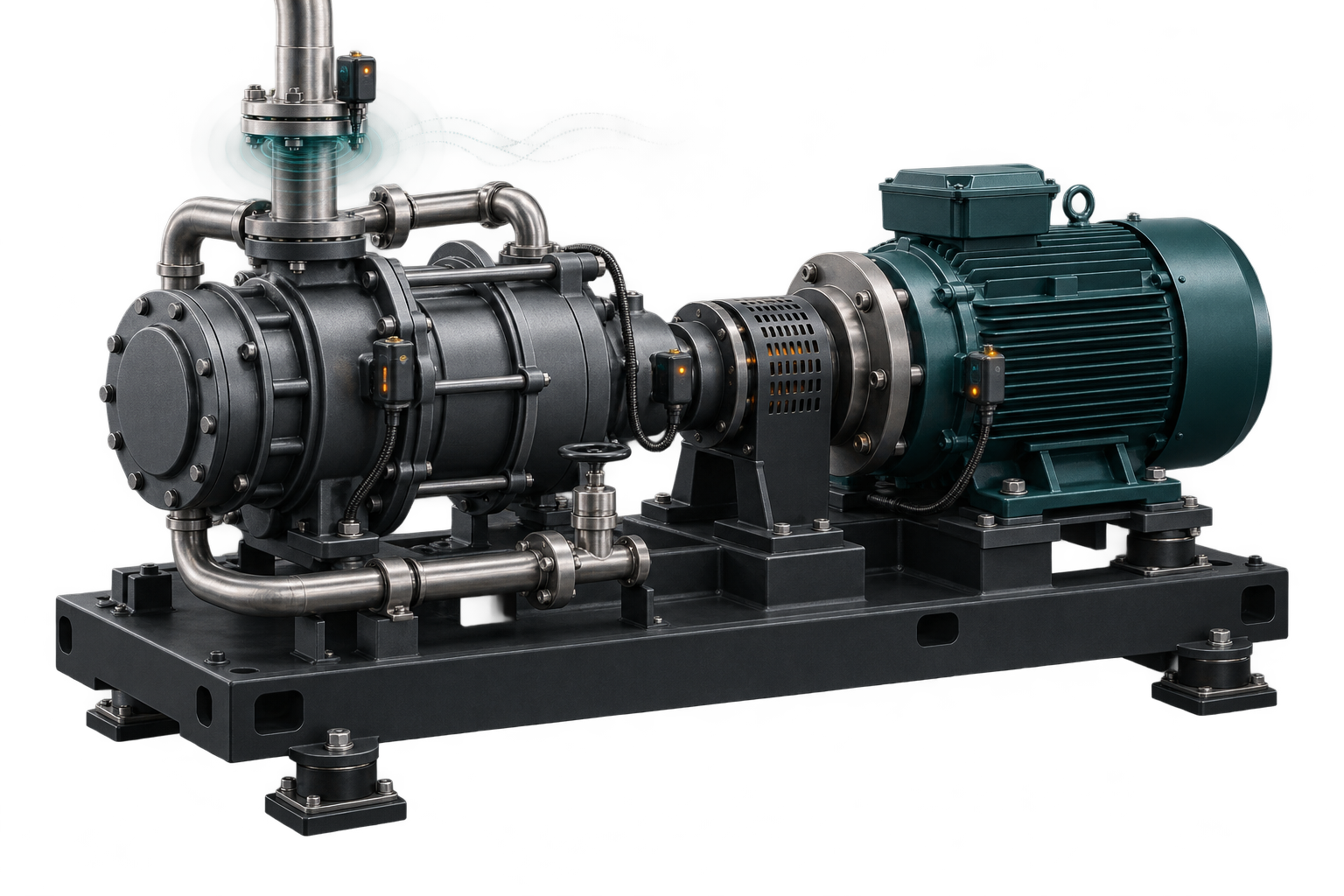
We start with the asset and the decision—not the dashboard. Together we choose what to monitor, define what useful evidence looks like, and agree how the pilot will be judged.
Pick the compressor, pump, motor or utility whose failure would interrupt production.
Critical machine · agreed with your teamAgree which operating states, signals and maintenance decision the node needs to inform.
Baseline · success criteria · ownerAfter the learning window, review what changed and whether continuous monitoring earns a place in the plant.
Trend · clip · context · next checkThis is not a score that asks your maintenance head to trust a dashboard. It is a machine record: what changed, where it changed, what evidence supports it and what to check next.
The acoustic pattern is consistent with a leak at the east-wall header. Review the clip, inspect the joint and confirm the condition on the machine.
Glazos is for manufacturing plants—including pharma utilities—with compressors, pumps, motors or other critical equipment where a failure affects a shift, batch or delivery and the team wants evidence before it commits to a monitoring programme.
The node is designed to stay with the selected asset and learn its normal sound, vibration, temperature and motor current. When the pattern moves, your team gets a dated record and a reason to inspect.
Air leaks, cavitation, rubbing and new tonal components.
Bearing wear, imbalance, misalignment, looseness and gear mesh.
Load changes and what the motor was doing when the signal moved.
A slower confirming signal for heat, load and developing mechanical change.
One asset, observed across four signals.
Node in build · seeking selected pilot assets
The node is there to help a maintenance team decide where to look next. It does not replace the engineer who confirms the condition.
Instrument two or three assets for about 60 days. Agree what success means before anything is installed, then decide whether the evidence earns a place in the plant.
You select the assets and the maintenance decision the pilot needs to inform.
The node observes normal operating modes for about a week, then keeps watching.
You keep the data and decide whether continuous monitoring earns a place in the plant.
I am Prajyoth, the founder. I build the hardware, install the nodes and write the report. When you start a pilot conversation, you speak with the person responsible for the measurement.
Glazos is early. The node is being built and the first pilots are how it earns trust. I will not present a failure prediction or an accuracy number we have not earned.
Bring your maintenance or engineering lead. We will define the question, keep the raw evidence available and say clearly if the pilot is not the right fit.
We review the machine and maintenance question you send, then reply within one working day with a confirmed time or another window. You can choose Google Meet, a phone call, WhatsApp or email.
You will speak directly with Prajyoth, the founder. If the proposed time does not work, reply with a better window and we will coordinate from there.
No. The node creates a dated equipment condition record for maintenance review. It does not certify a machine, replace a qualified analyst or satisfy a validation requirement by itself.
A fixed Glazos node is mounted to the selected asset and observes the agreed signals. The node is being built for the first selected pilot sites.
A safety induction, someone to walk with us, the machine operating states and the maintenance question you want the pilot to answer.
The node keeps watching. When a pattern moves, the report keeps the trend, the evidence and the next inspection together so your engineer can decide.
You do. We do not sell, share or publish your plant data. We ask in writing before using an anonymised recording to improve the analysis.
Share the asset, the maintenance question and how you prefer to talk. Prajyoth, the founder, will reply with a practical next step—not a generic sales demo.
Google Meet · phone · WhatsApp · email